
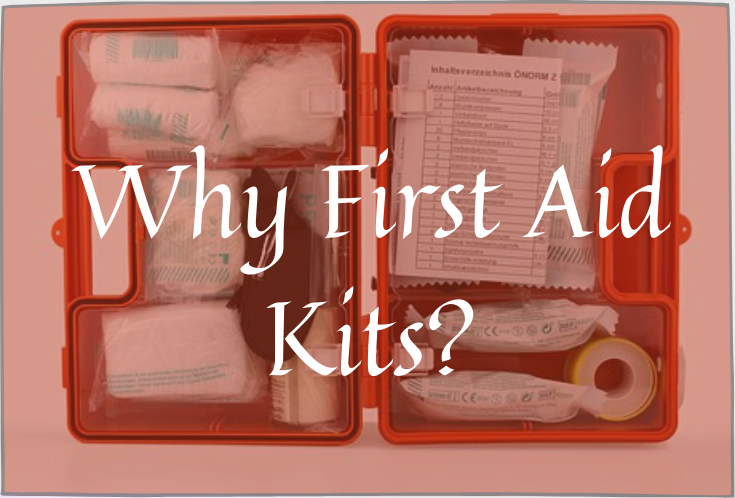
A well-stocked first-aid kit can easily aid you react efficiently to common accidents as well as emergencies. There must be at minimum one first-aid little one prepared in your vehicle as well as at home. Maintain your first-aid kits somewhere easily accessible however far from kids.
Teenagers must comprehend the objective of the kits and where to find them.
Emergency Phone Numbers
You must know who to contact in times of emergency. Have medical permission forms ready in case on an emergency situation.
Example: Have Medical history forms for each relative.
Why First Aid Kits?

1. Trauma Pocket
Till aid shows up, I can utilize the kit for initial treatment.
The kit can only help contain a significant injury, at most. It’s enough for scrapes and dings, twisted ankles, and other minor injuries.

2. Aspirin
Consider having aspirin in your first-aid kit.
Aspirin might be life-saving in an adult with chest pain. If someone experiences a heart attack, medical aid should be called quickly.
3. On a Budget
Think about your budget but be careful of inexpensive items. Test items first before buying in bulk. Canvass costs for specialty items such as tourniquets. Be wary of those who take advantage of selling survival items.

4. Perform a Risk Analysis
Take into consideration what medical and injury risks you have throughout all elements of your life and how much risk is involved. You might be able to do a quick psychological assessment here, or you might want to utilize a written scored system of your own to identify and rate these dangers.
Serious medical conditions directly impact risk assessments.
